How to Reclaim Your Cultural Identity in 5 Steps Using African Traditions
In a world that often dilutes our authentic heritage into bite-sized cultural moments, many women find themselves yearning for something deeper: a genuine connection to their roots that transcends surface-level celebrations. If you're feeling disconnected from your cultural identity or seeking to strengthen your relationship with African traditions, you're not alone. This profound journey of reclamation isn't just about nostalgia; it's about empowerment, healing, and discovering the transformative power within your own heritage.
In my book,
"Òrìṣà Influenced Rites of Passage in America," I explore how African-centered practices can guide women through meaningful life transitions while strengthening cultural identity. Through extensive research and practical application, I've discovered that reclaiming your cultural identity isn't a passive process: it's an active, intentional journey that requires specific steps and sustained commitment.
Step 1: Unlearn Colonial Narratives and Reclaim True History
The first and most crucial step in your cultural identity journey involves challenging the distorted stories that have shaped your understanding of African heritage. Colonial narratives have systematically minimized, misrepresented, or erased the rich complexity of African cultures, leaving many of us with incomplete or inaccurate perceptions of our own history.
As I discuss in
"Òrìṣà Influenced Rites of Passage in America," this process of unlearning requires more than simply reading different books: it demands a fundamental shift in how you approach knowledge about your heritage. Begin by questioning everything you think you know about African history, traditions, and cultural practices. Who taught you these things? What sources shaped these beliefs? Often, you'll discover that much of what you learned came from perspectives that weren't centered in African worldviews.
Start your unlearning journey by seeking out scholarship written by African and African diasporic scholars. These voices offer perspectives that have been marginalized in mainstream educational settings but contain the authentic narratives you need. Support educational initiatives that prioritize accurate portrayals of African civilizations, philosophical systems, and contributions to global knowledge.
This step isn't just intellectual: it's deeply emotional. You may experience grief as you realize how much authentic knowledge was kept from you. Allow yourself to feel this loss while simultaneously celebrating the truth you're now discovering.
Step 2: Connect to Ancestral Values and Worldviews
Once you've begun dismantling colonial narratives, you can authentically connect with the values and worldviews that form the foundation of African cultural identity. This connection goes beyond surface-level practices to embrace the philosophical frameworks that guide how African cultures understand community, spirituality, relationships, and personal development.
Explore foundational concepts like àṣẹ "divine creative force," ifá "wisdom," and orí "personal destiny." These aren't just philosophical concepts: they're practical frameworks for understanding your purpose, navigating challenges, and making decisions aligned with your authentic self.
Step 3: Engage in Community-Centered Practices
Cultural identity isn't reclaimed in isolation: it flourishes within community connections that honor and preserve traditional practices. This step involves actively seeking out and participating in community-centered activities that celebrate African heritage while building meaningful relationships with others on similar journeys.
Look for cultural centers, organizations like
Agbára Cultural Education LLC, or community groups that facilitate authentic African cultural experiences. Participate in traditional ceremonies, learn ancestral dances, explore indigenous healing practices, or join drumming circles. These activities aren't mere entertainment: they're sacred practices that connect you to ancestral wisdom while building community bonds.
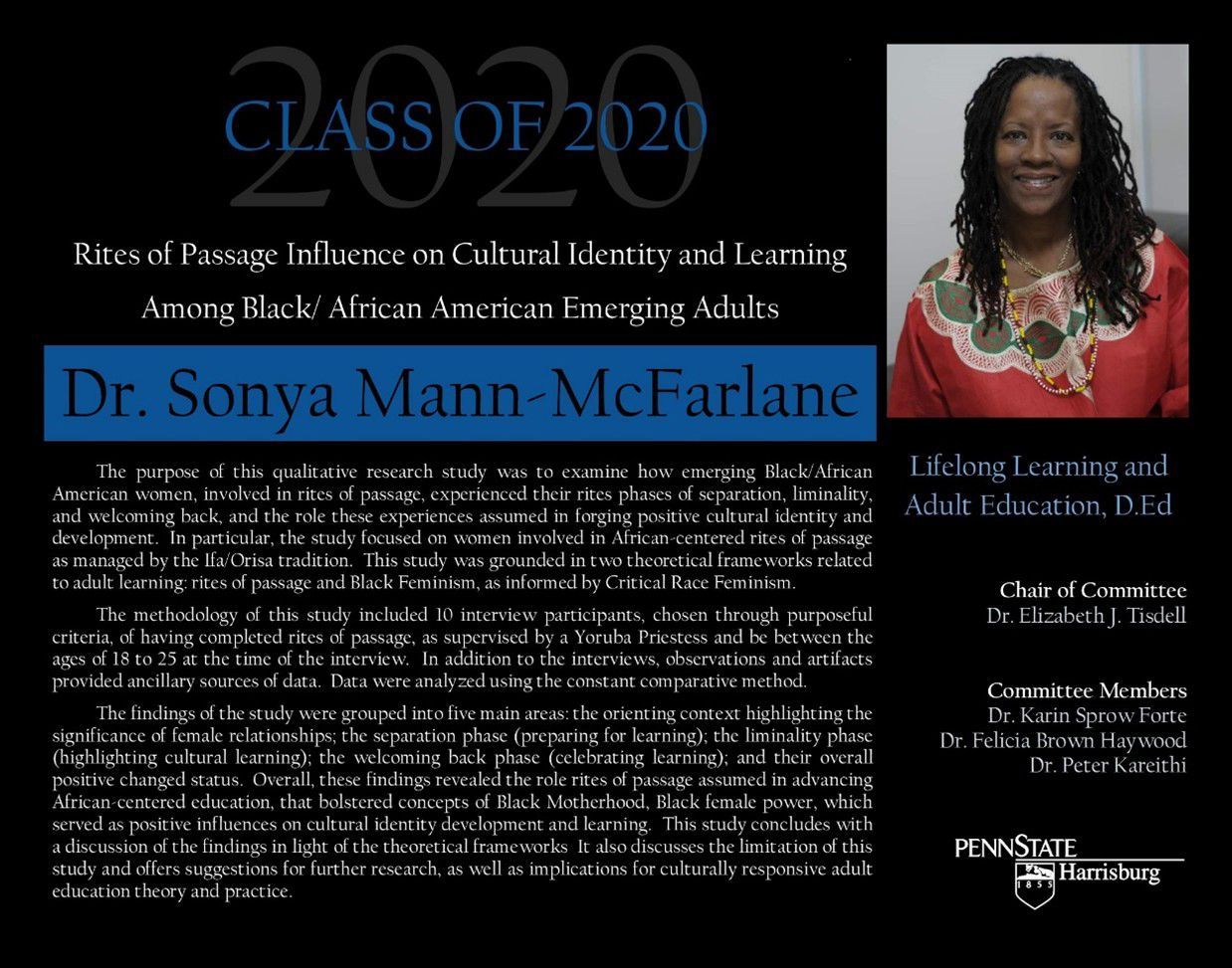
The research I conducted for "Òrìṣà Influenced Rites of Passage in America" consistently showed that women who engaged in community-centered cultural practices experienced greater cultural identity development and personal empowerment. The communal aspect isn't incidental: it's essential. African cultures fundamentally understand identity as relational, meaning who you are is deeply connected to your relationships and community roles.
Consider participating in
Kwanzaa celebrations, which honor seven principles rooted in African values: unity, self-determination, collective work, cooperative economics, purpose, creativity, and faith. These principles offer practical frameworks for living authentically while contributing to community wellbeing.
Step 4: Create Sacred Rituals and Rites of Passage
Traditional African cultures understand that life transitions require ceremonial acknowledgment and community support. Creating personal and communal rituals helps you mark significant moments while connecting to ancestral practices that have guided people through life changes for millennia.
In "Òrìṣà Influenced Rites of Passage in America," I detail how traditional rites of passage follow three crucial phases: separation from previous identity, liminal transformation, and reintegration into community with new understanding. These phases apply to various life transitions: career changes, relationship shifts, spiritual development, or personal growth milestones.
Design rituals that honor your specific circumstances while incorporating traditional elements like libation pouring for ancestors. These rituals don't need to be elaborate: they need to be intentional and meaningful.

Consider creating seasonal ceremonies that align with natural cycles, monthly practices that honor feminine wisdom, or daily rituals that ground you in cultural values. The key is consistency and intentionality rather than perfection or complexity.
Work with elders, cultural practitioners, or organizations that can guide you in creating appropriate rituals that honor tradition while meeting your contemporary needs. This guidance ensures your practices remain respectful and authentic rather than appropriative or superficial.
Step 5: Share Your Cultural Story and Knowledge
The final step in reclaiming your cultural identity involves becoming an active participant in cultural preservation and transmission. This isn't about becoming an expert overnight: it's about sharing your journey, supporting others, and contributing to the collective work of keeping African traditions alive and vibrant.
Document your experiences through writing, art, music, or digital media. Share how these practices have transformed your understanding of yourself and your place in the world. Your personal testimony becomes part of the larger narrative that counters stereotypes and misconceptions about African cultures.
Support cultural preservation efforts by contributing to archives, participating in oral history projects, or volunteering with organizations that document traditional practices. As I emphasize in "Òrìṣà Influenced Rites of Passage in America," every voice matters in maintaining the rich tapestry of African cultural knowledge.
Mentor younger women who are beginning their own cultural identity journeys. Share resources, offer encouragement, and create spaces where authentic cultural exploration can flourish. Remember that cultural reclamation is inherently community work: your individual transformation contributes to collective healing and empowerment.
Your Journey Continues
Reclaiming your cultural identity through African traditions isn't a destination: it's a lifelong journey of discovery, growth, and connection. Each step builds upon the previous one, creating a foundation for authentic living that honors your heritage while empowering your future.
The work isn't always easy, but it's profoundly transformative. As you unlearn colonial narratives, connect with ancestral values, engage in community practices, create meaningful rituals, and share your knowledge, you're not just reclaiming your own identity: you're contributing to the preservation and evolution of African cultural traditions for future generations.
If you're ready to begin or deepen this transformative journey, consider exploring our programs designed specifically to guide women through authentic African-centered rites of passage experiences. Your cultural identity awaits your courageous reclamation.
What step will you take first on your journey to reclaim your cultural identity? How might connecting with your African heritage transform not just your understanding of yourself, but your relationship with your community and your life's purpose?